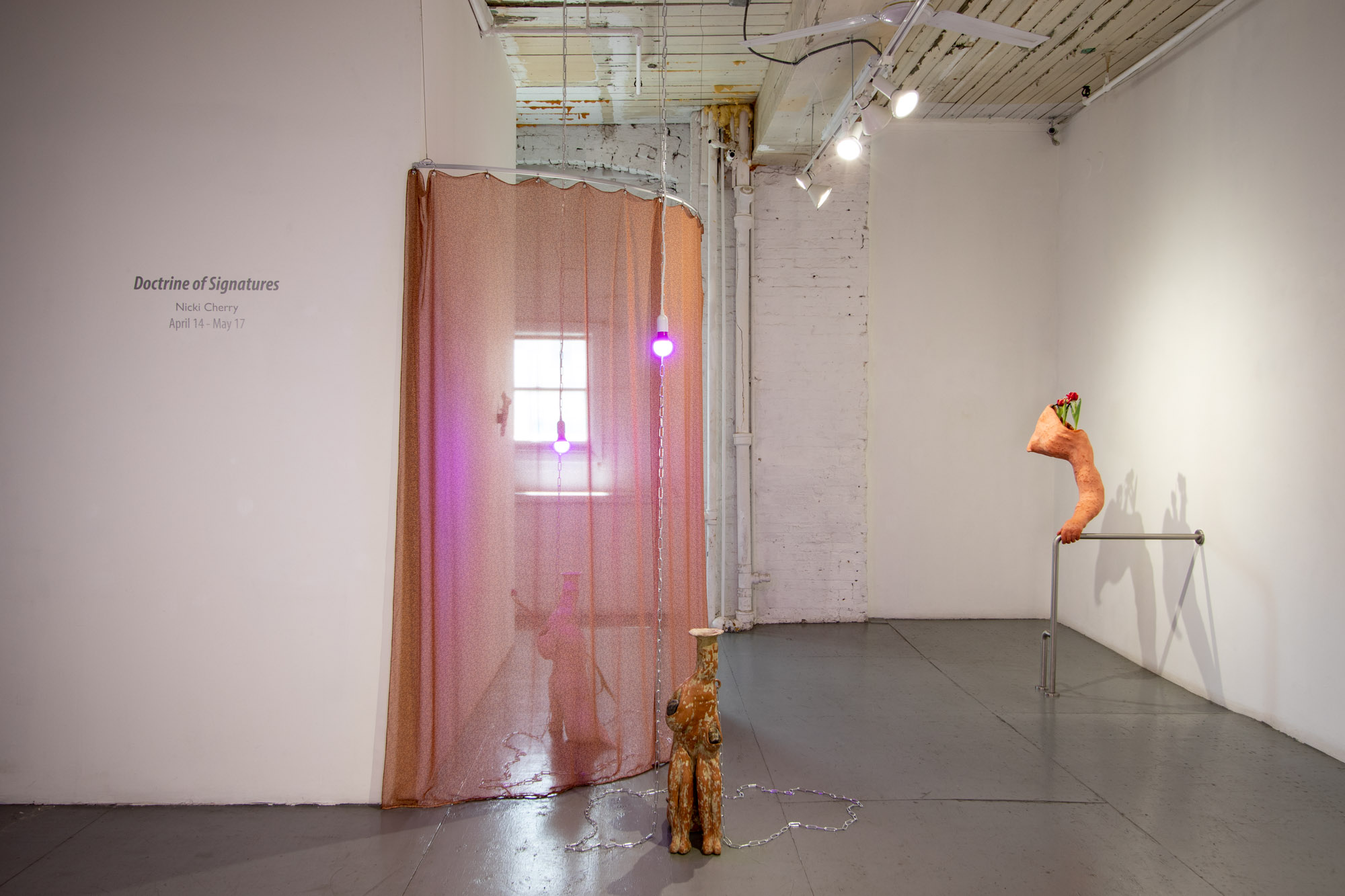
Doctrine of Signatures
2023, NARS Foundation, Brooklyn, NY
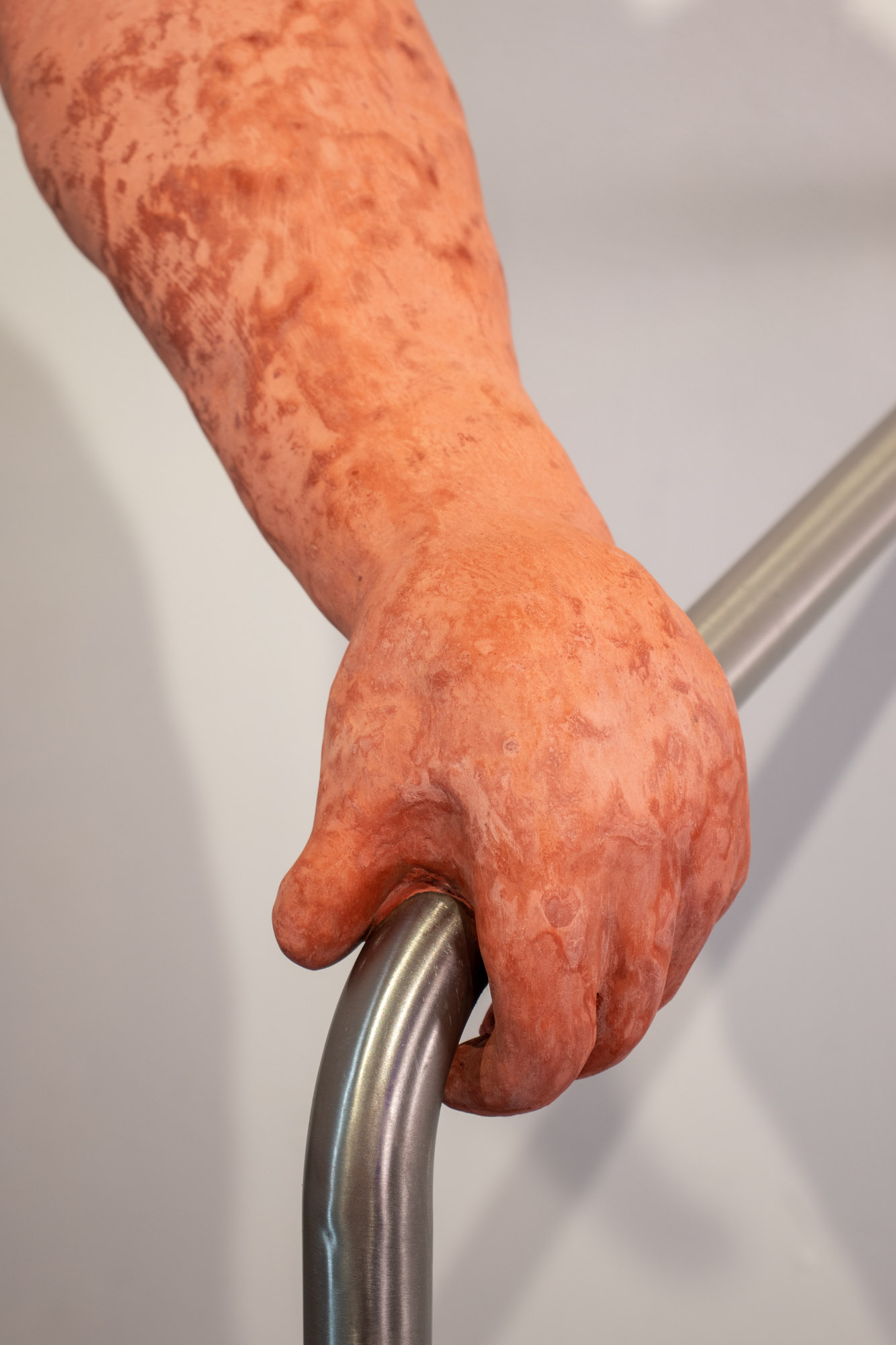
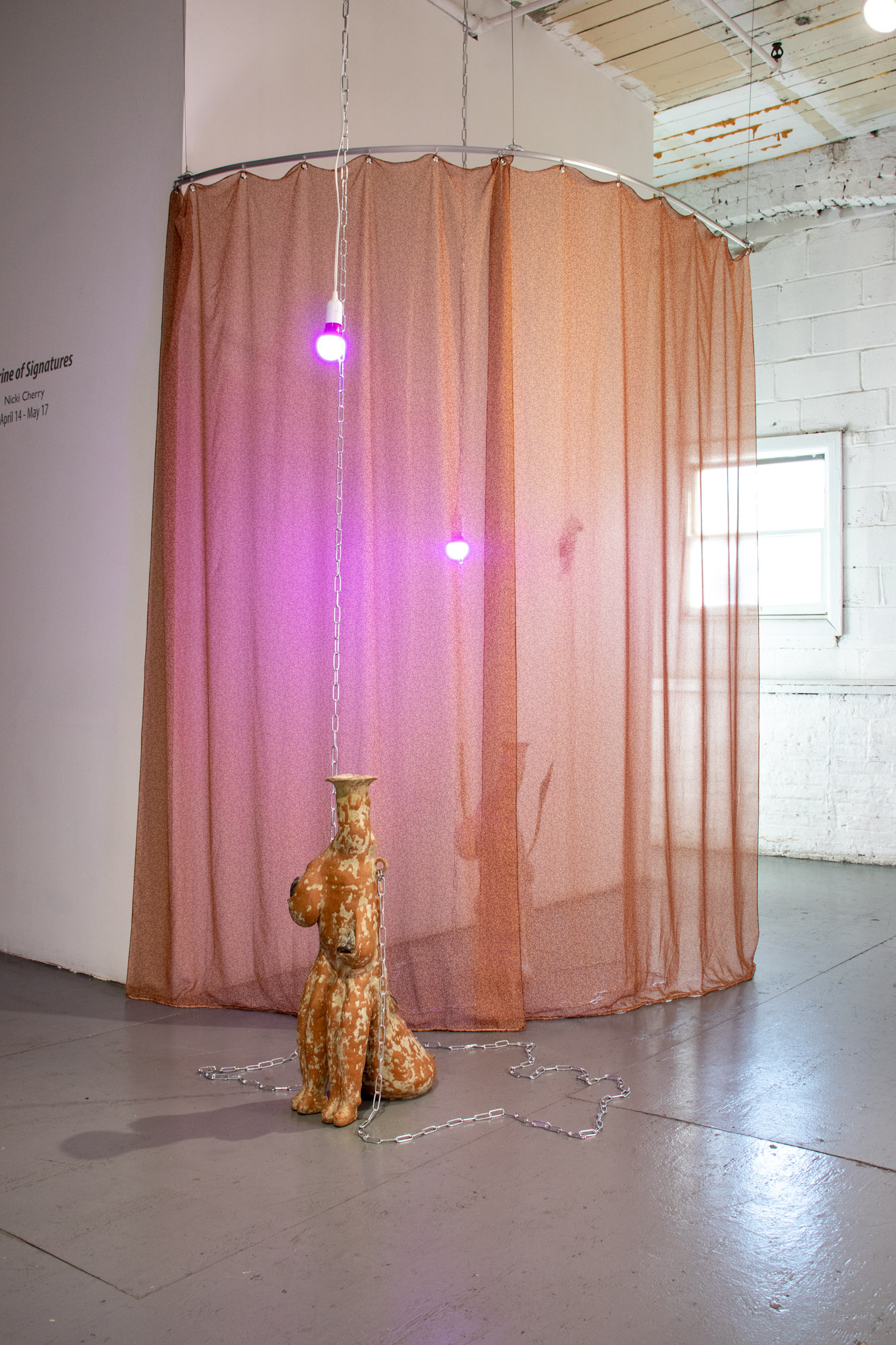
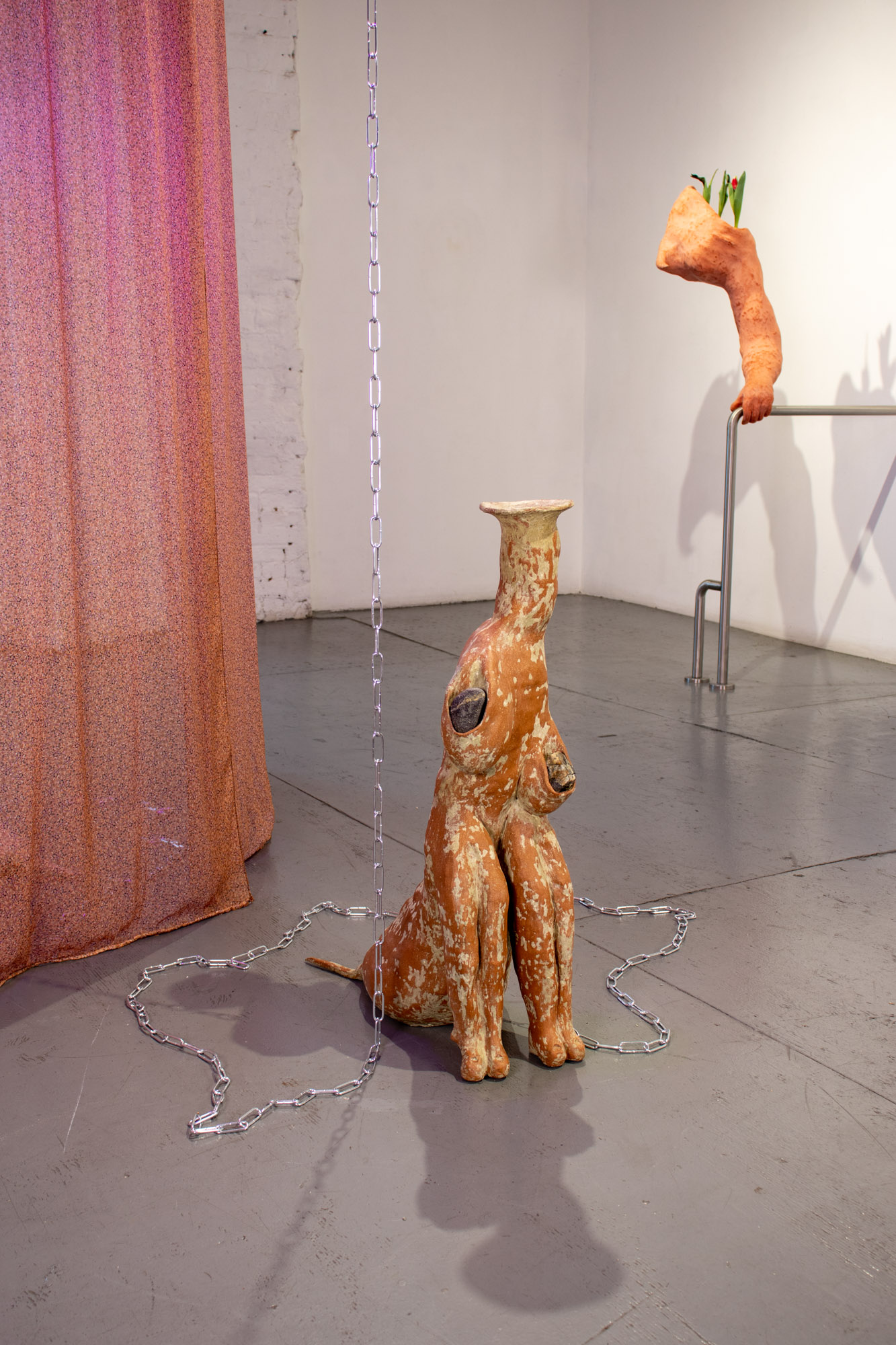
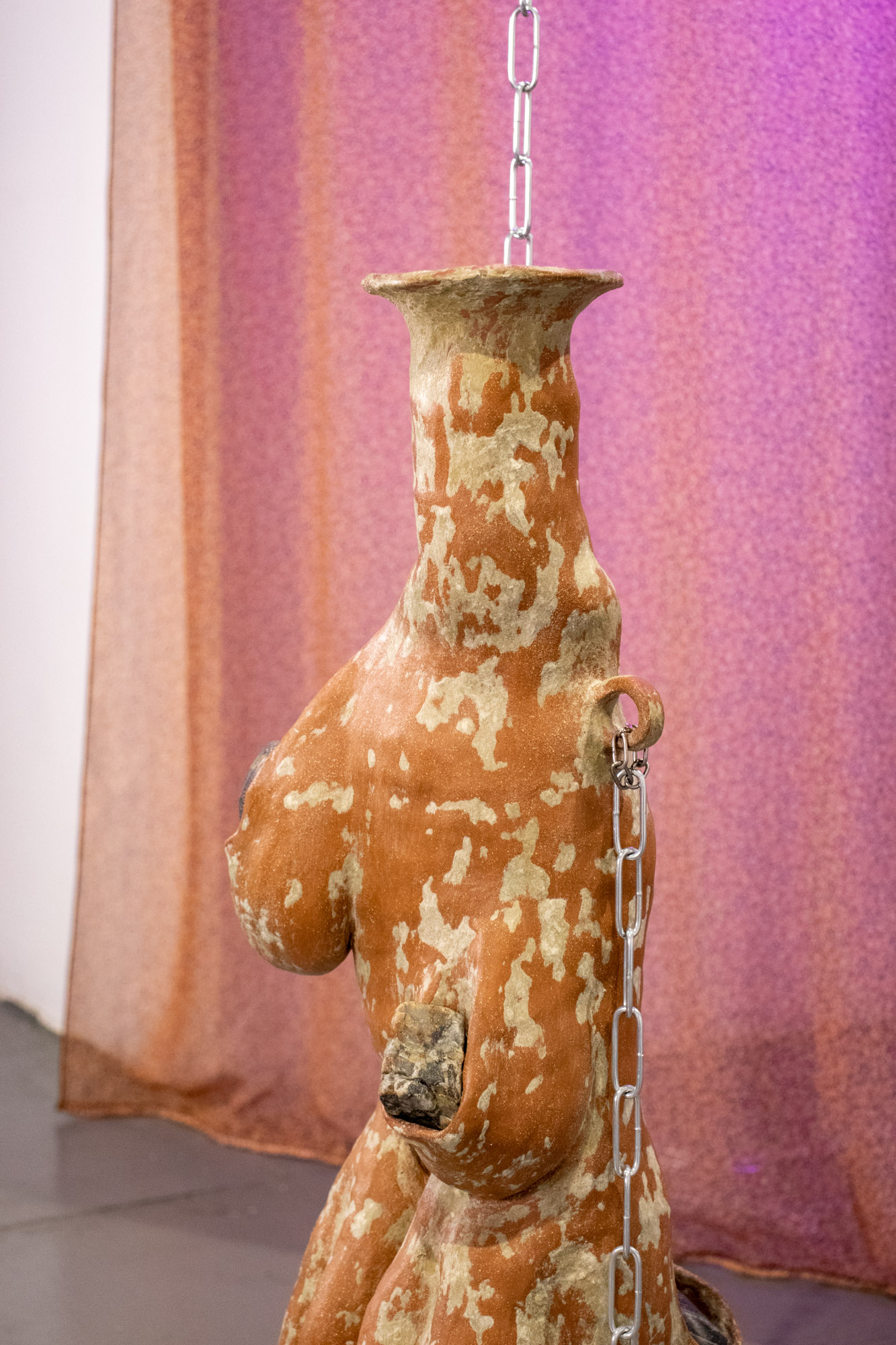
Excerpt from "Pain Beyond Metaphor" by Tung Chau
The doctrine of signatures betrays two conflicting impulses: one is the will to control, silo, sort, and order things; the other is the will to preserve the complex interconnectivity of things. With their strong associative power, “signatures” string together different species and scales, gliding smoothly and with great strides between two things (the aconite and the eye), or, within the same thing, between the part and the whole (the palm line and one’s life story). And it is not always clear whether we are using its power for care or control.
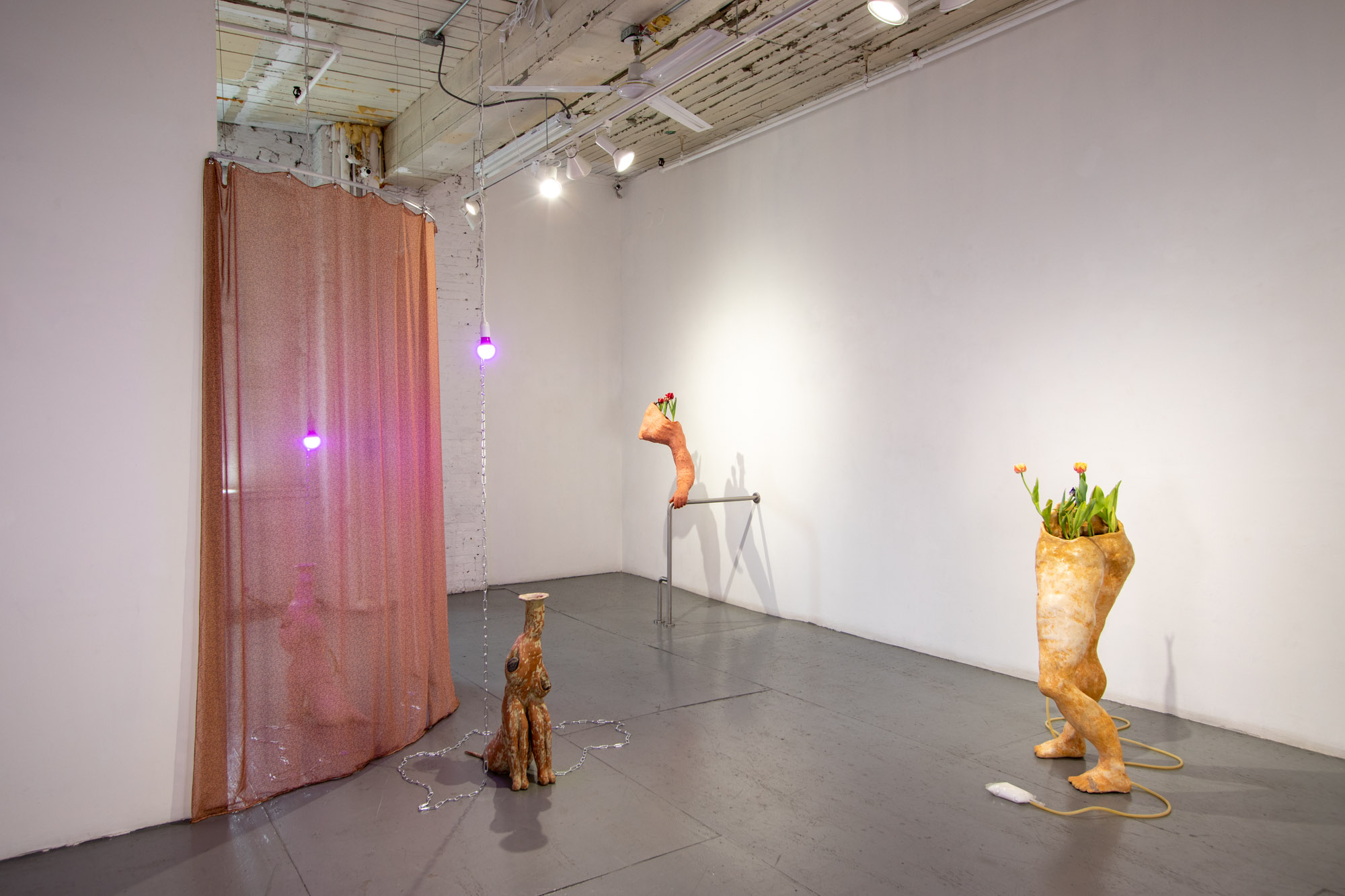
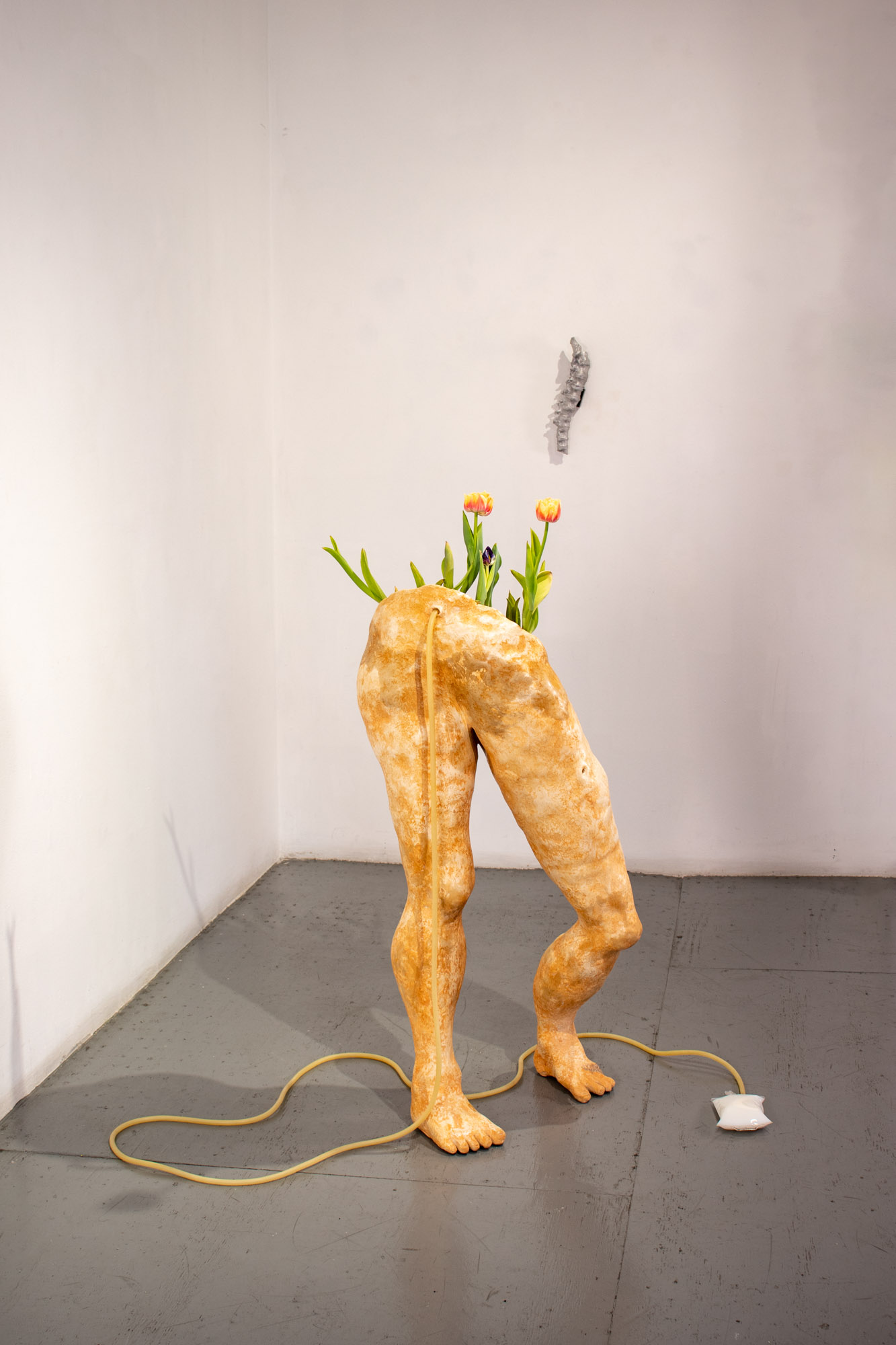
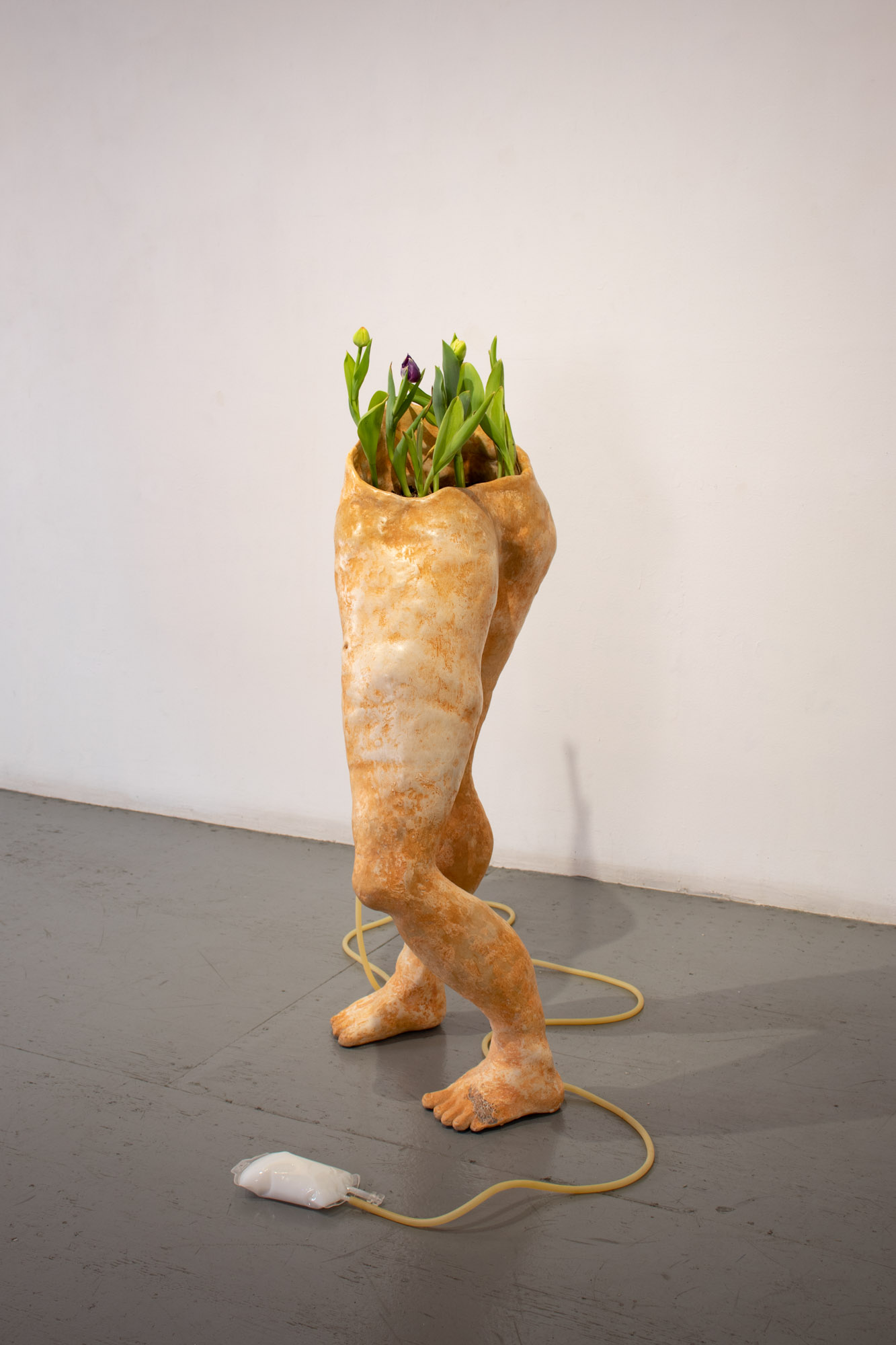
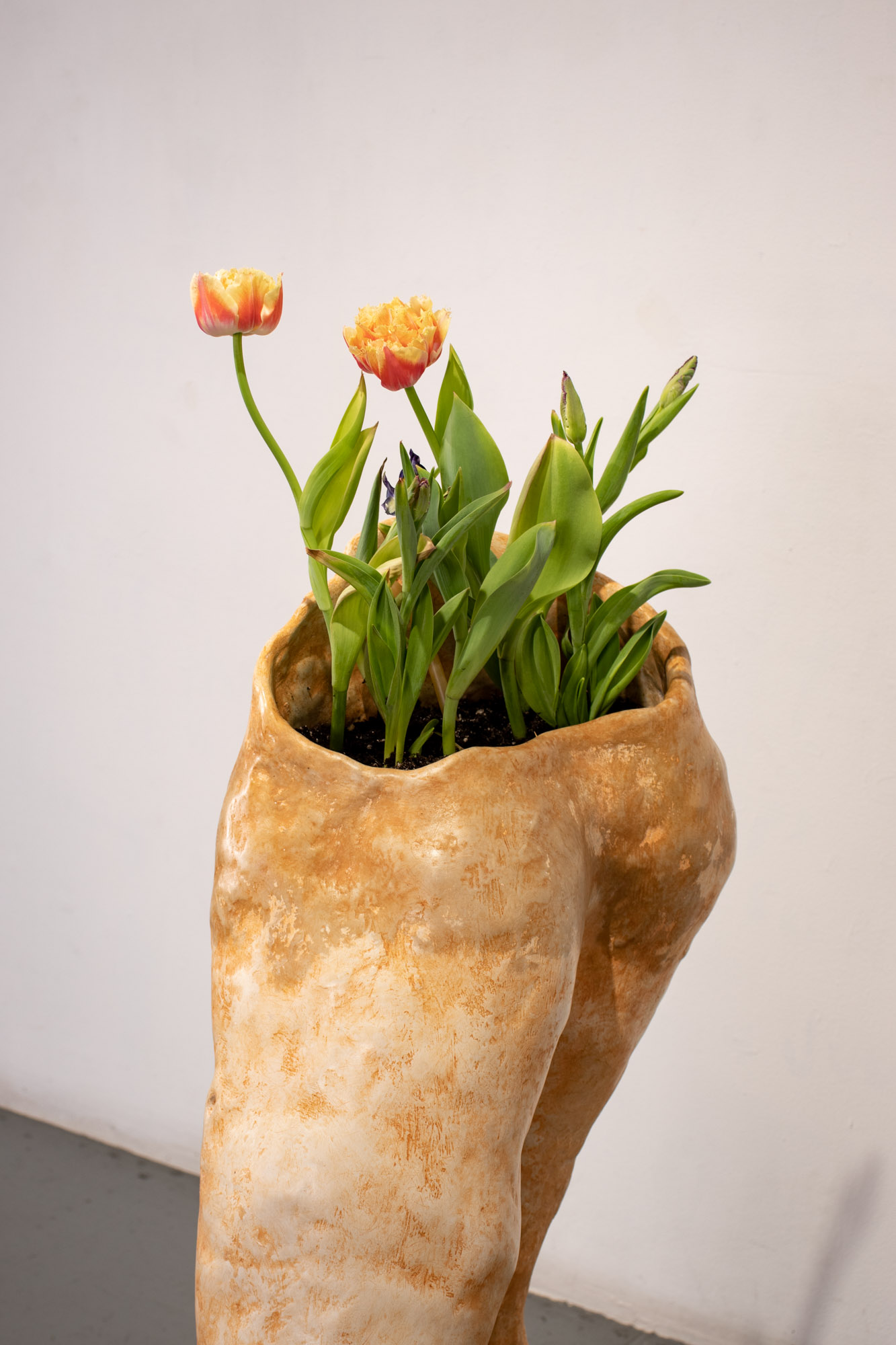
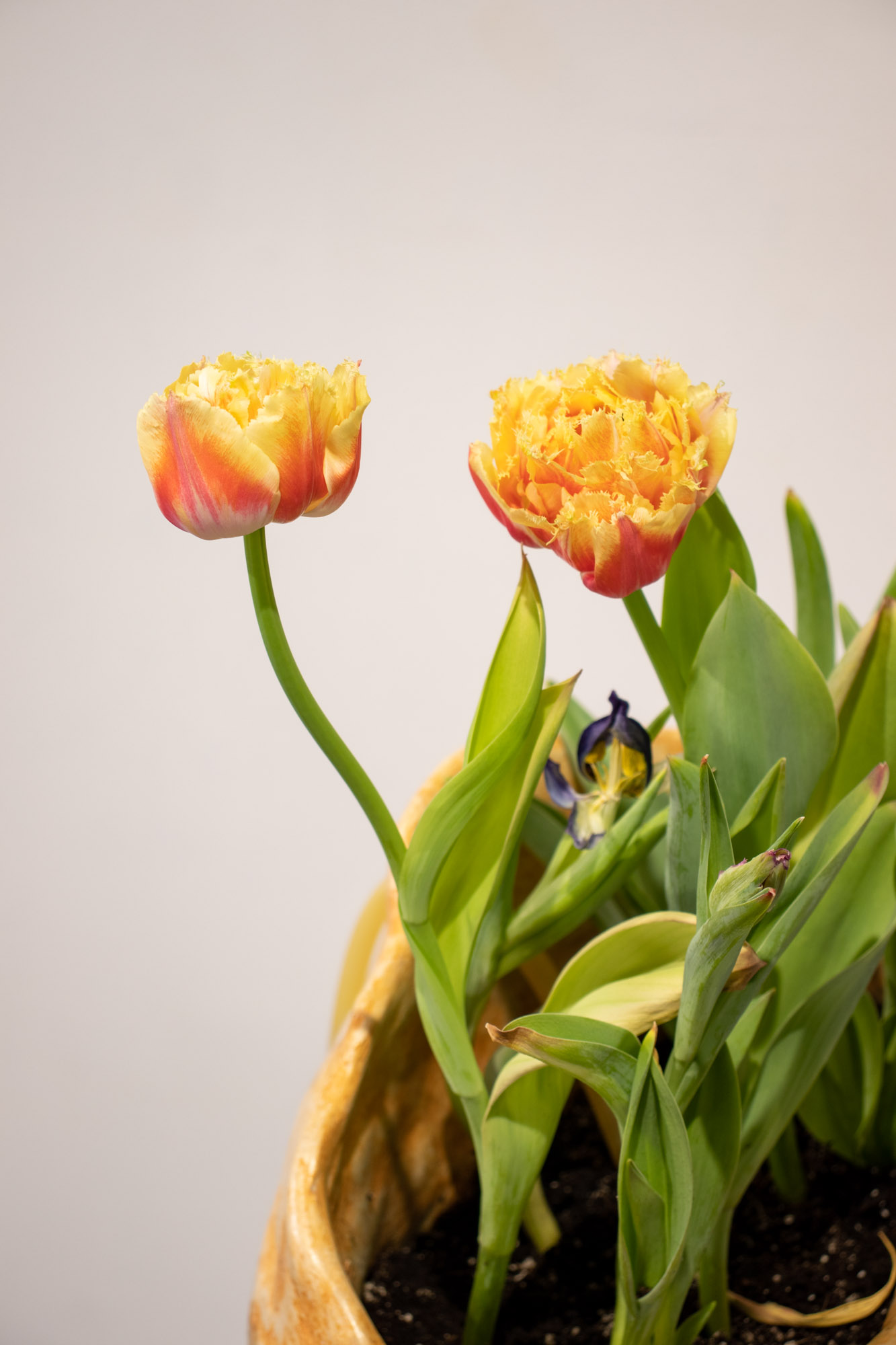
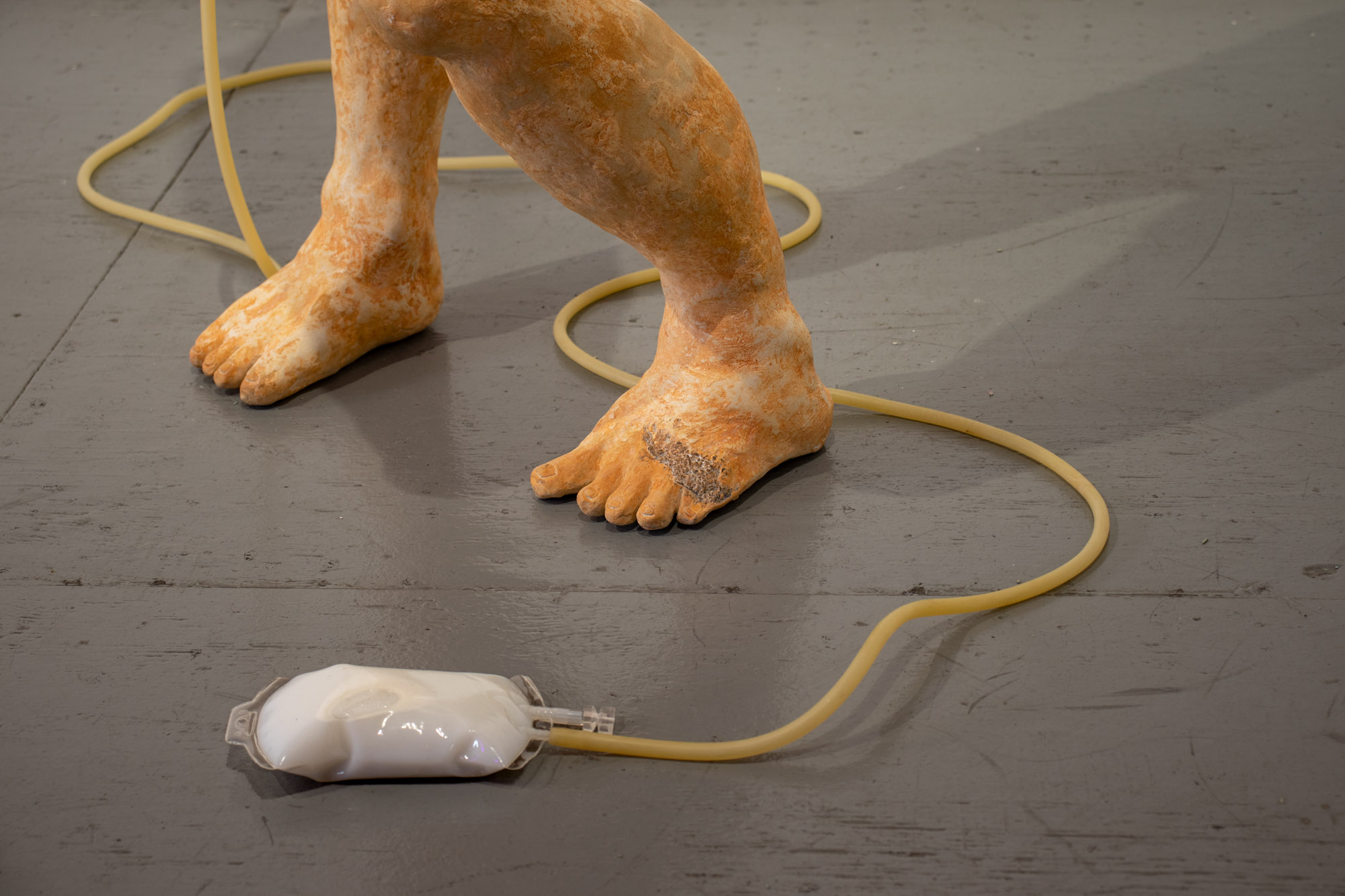
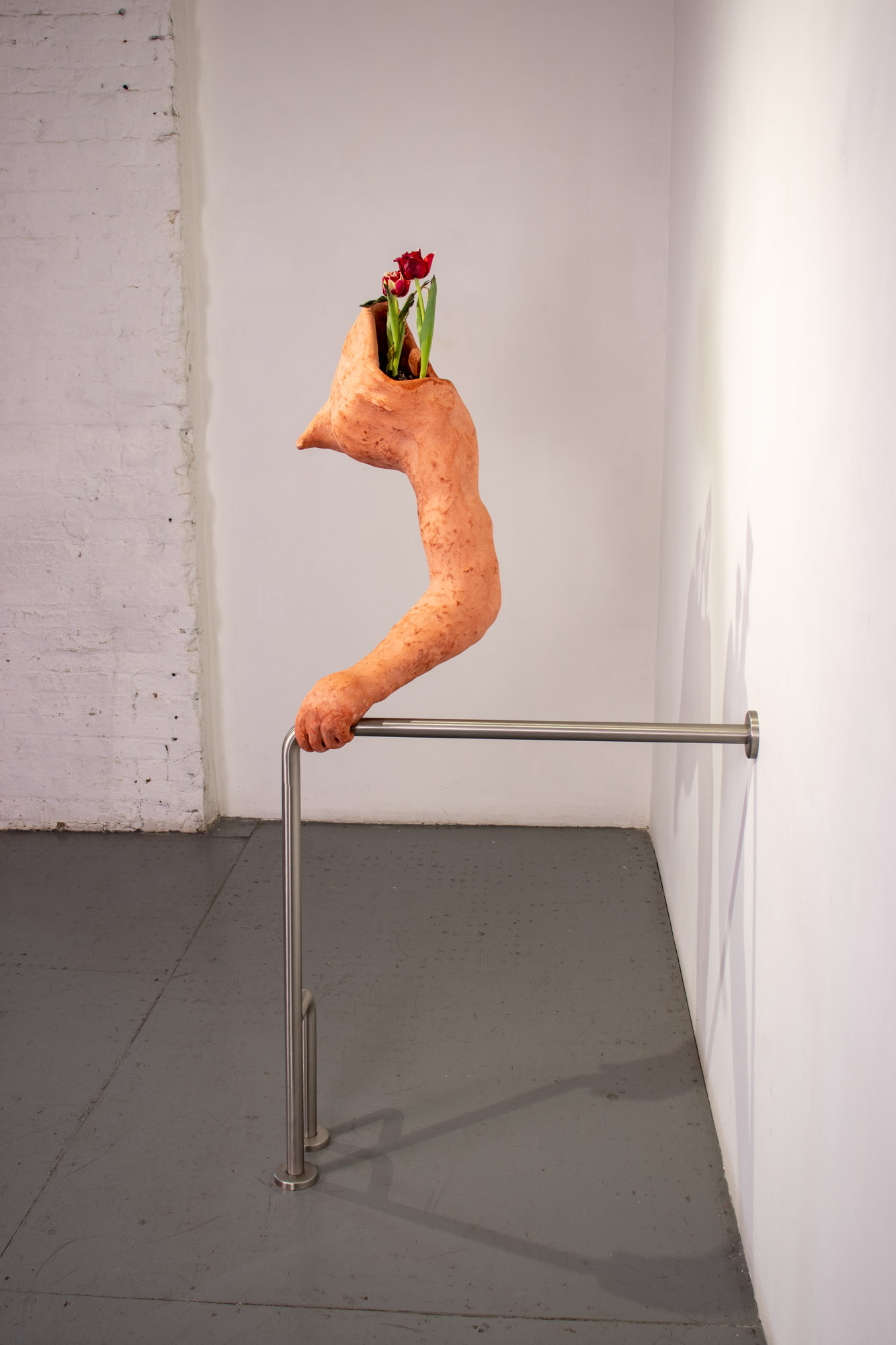
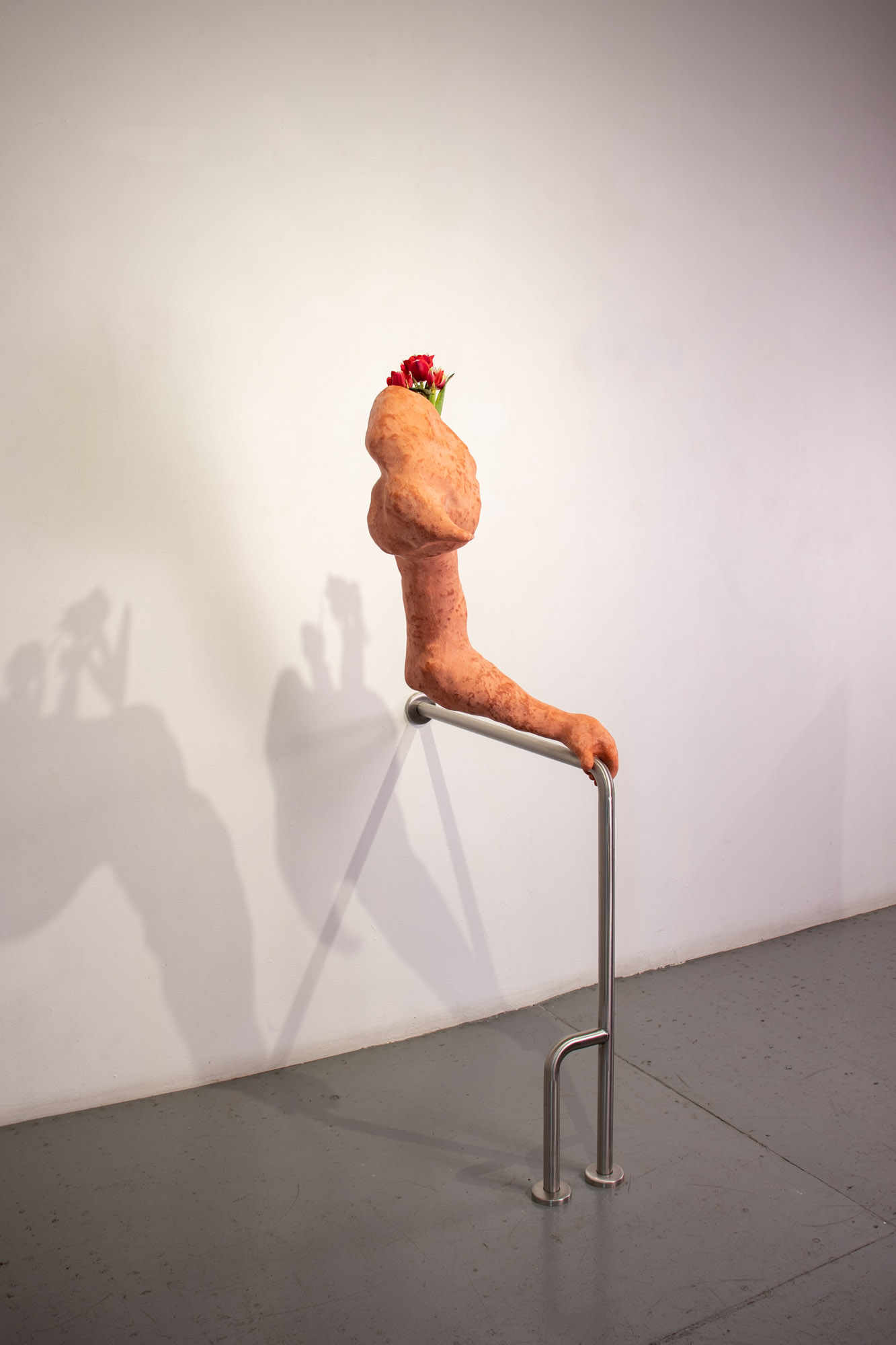
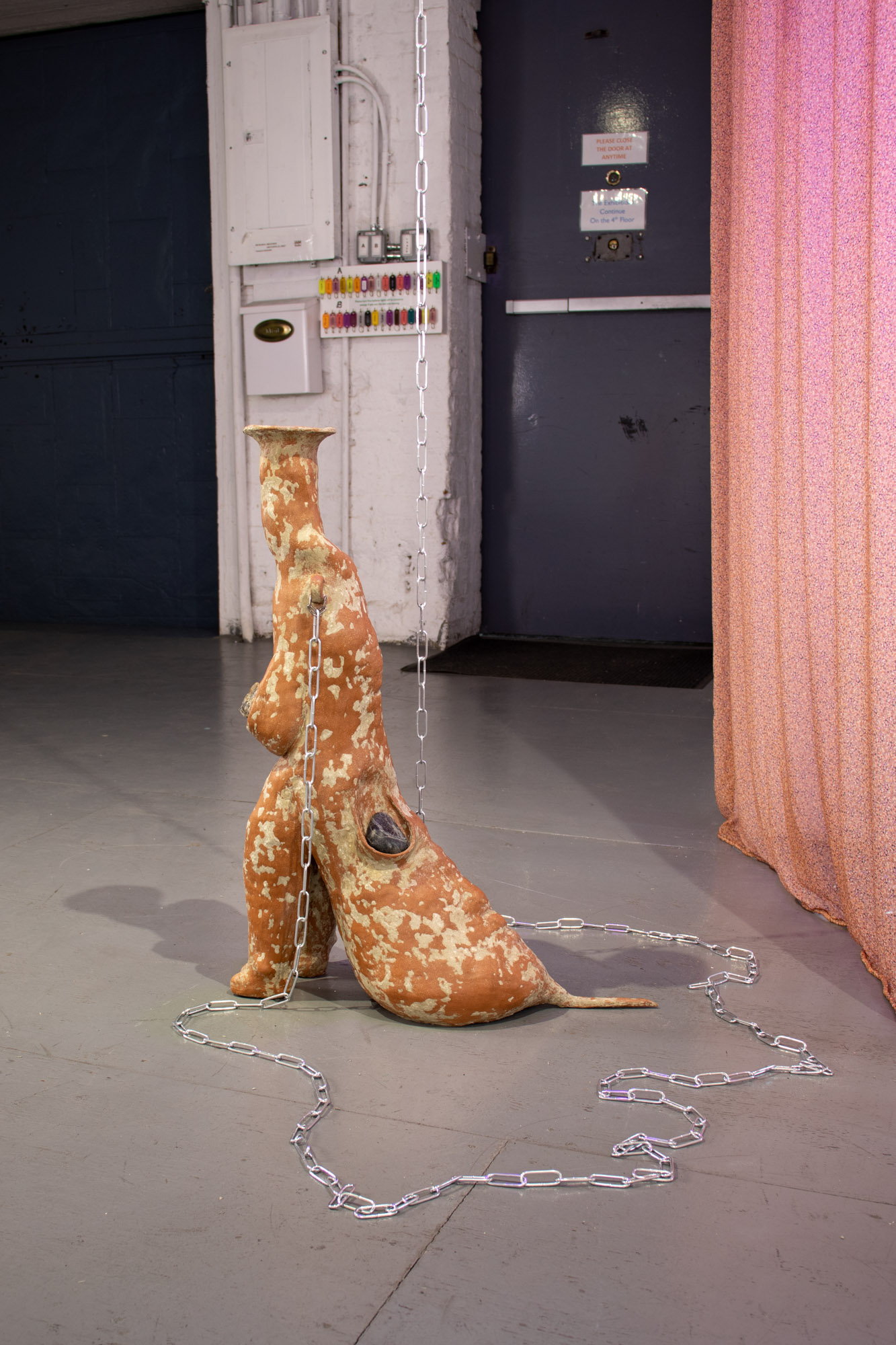
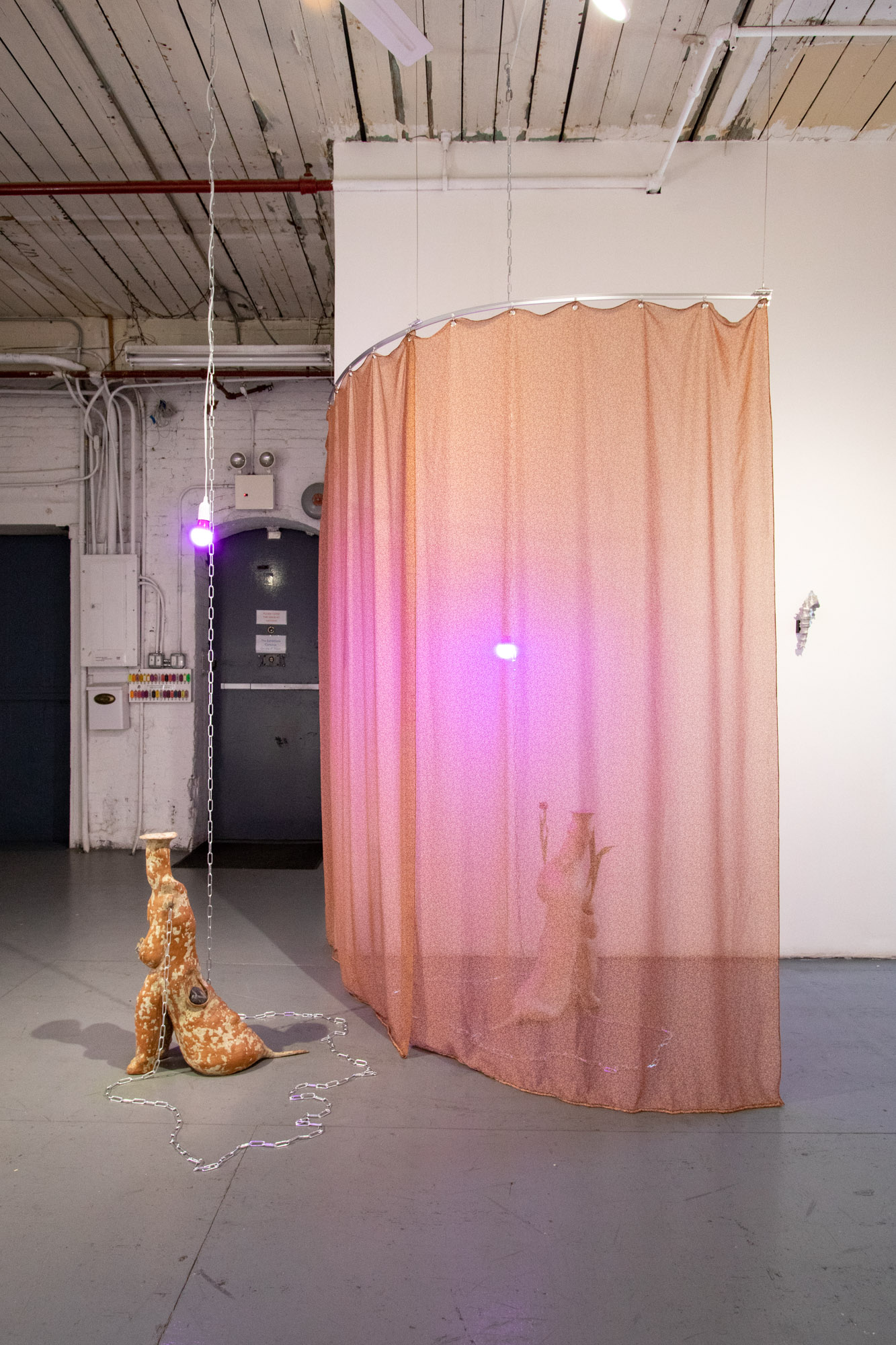
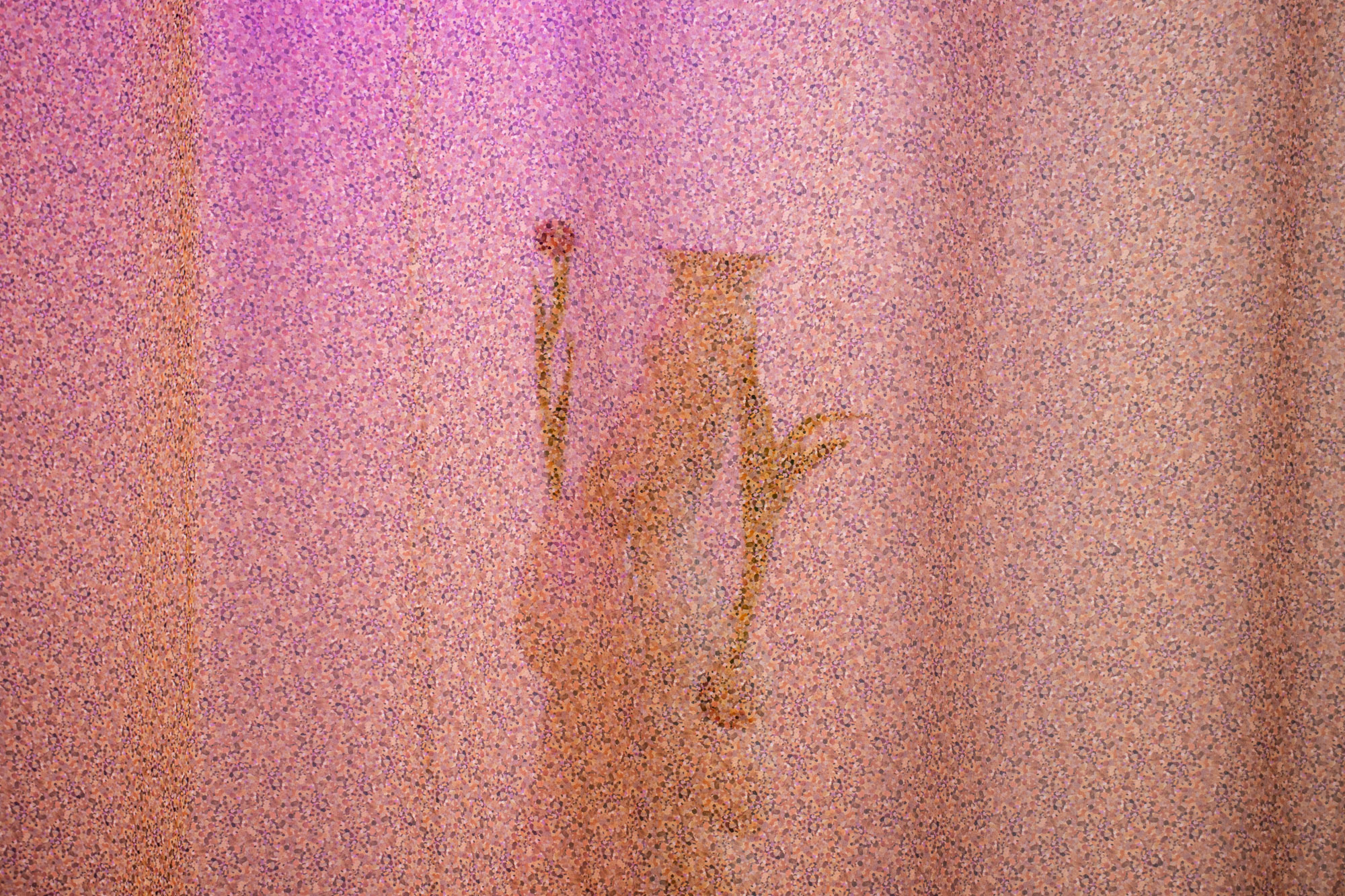
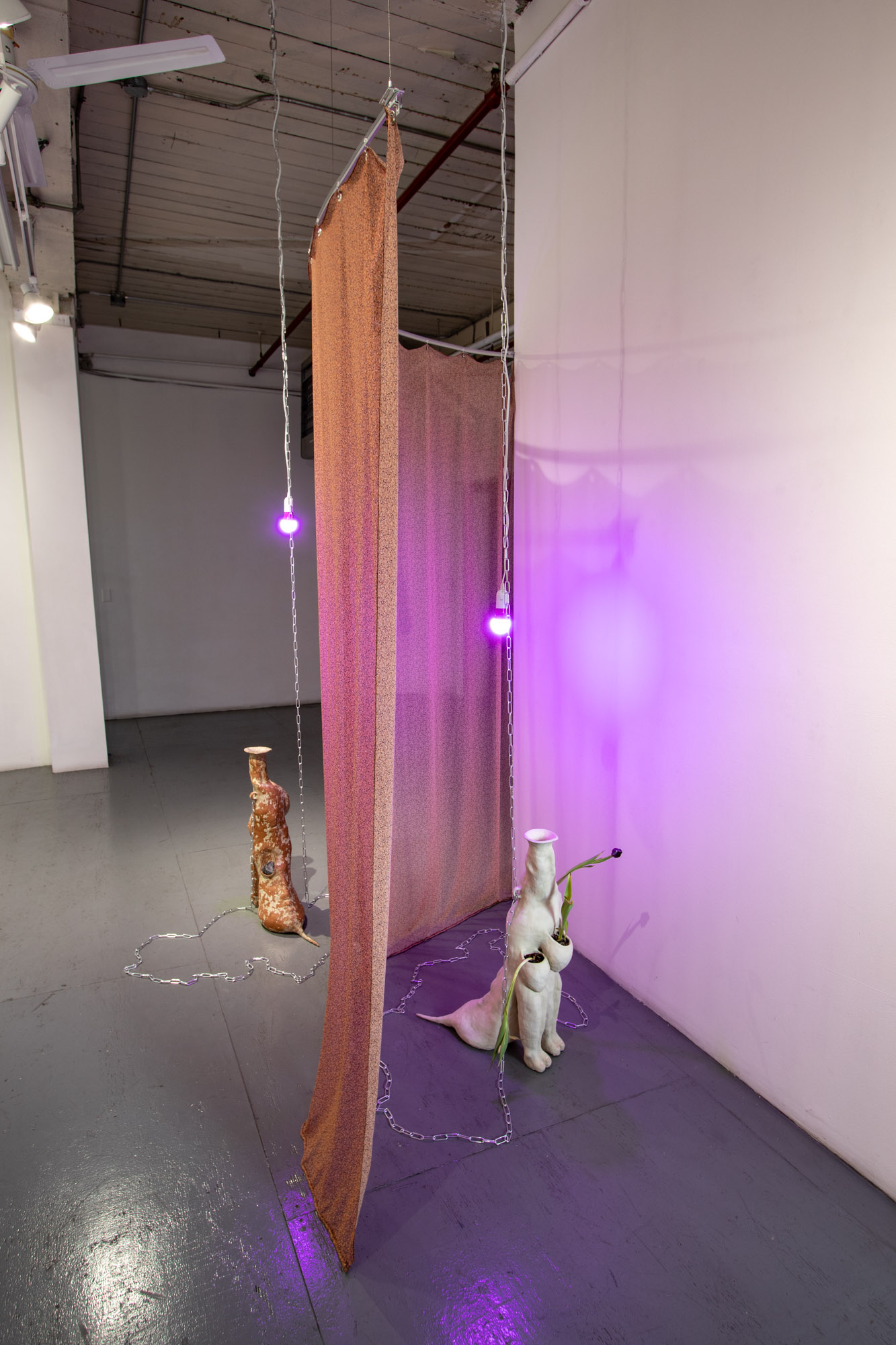
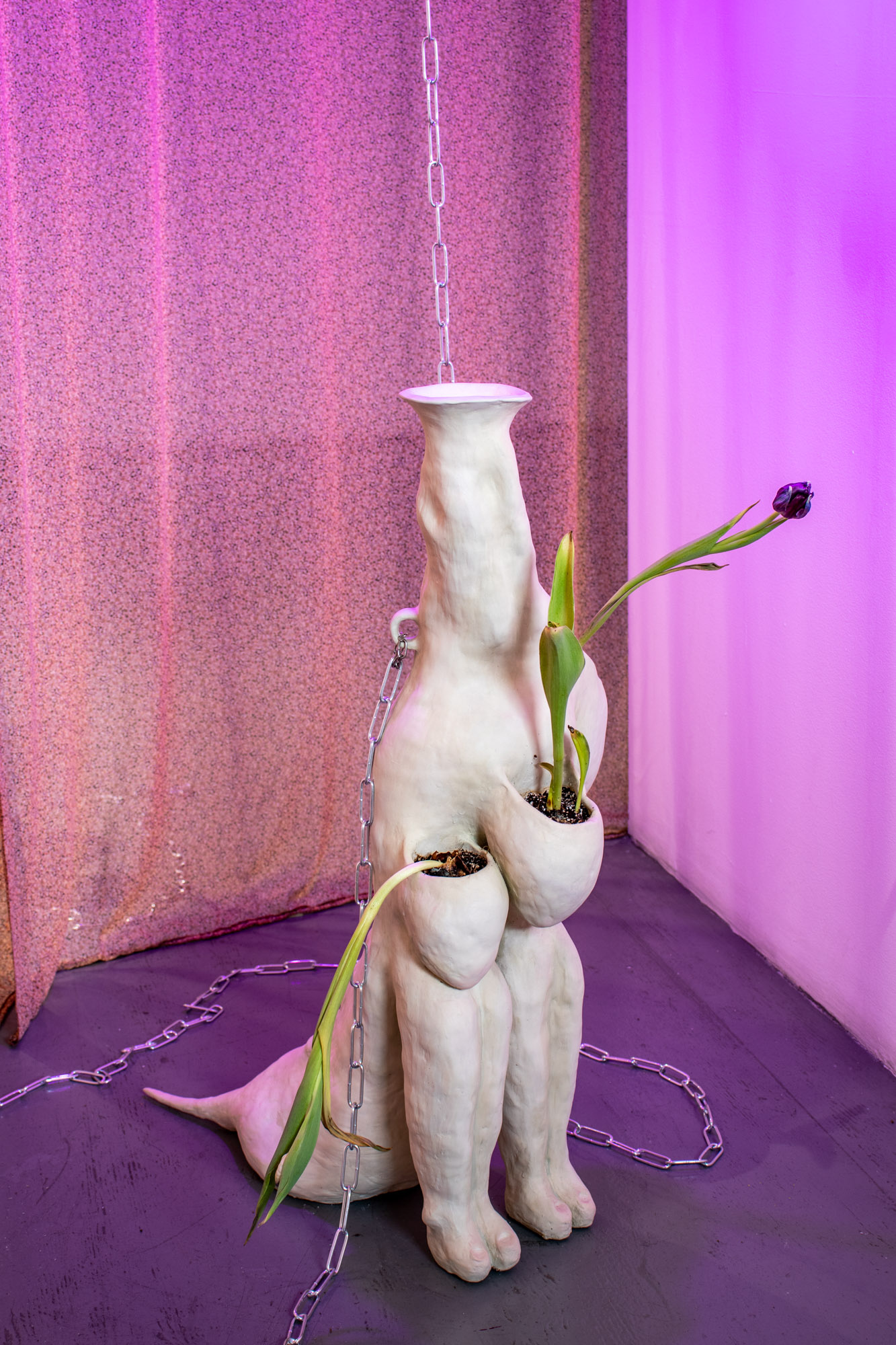
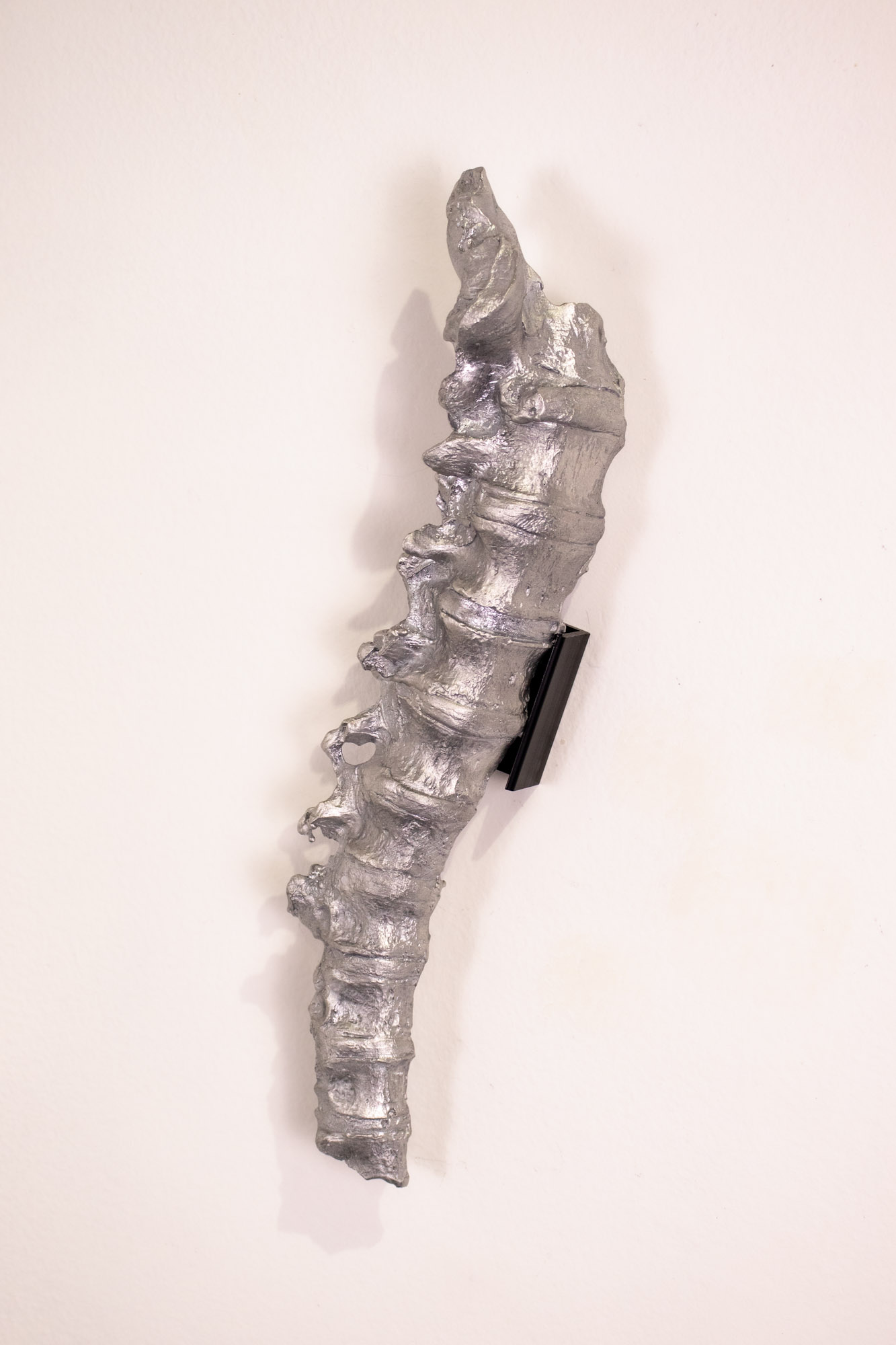
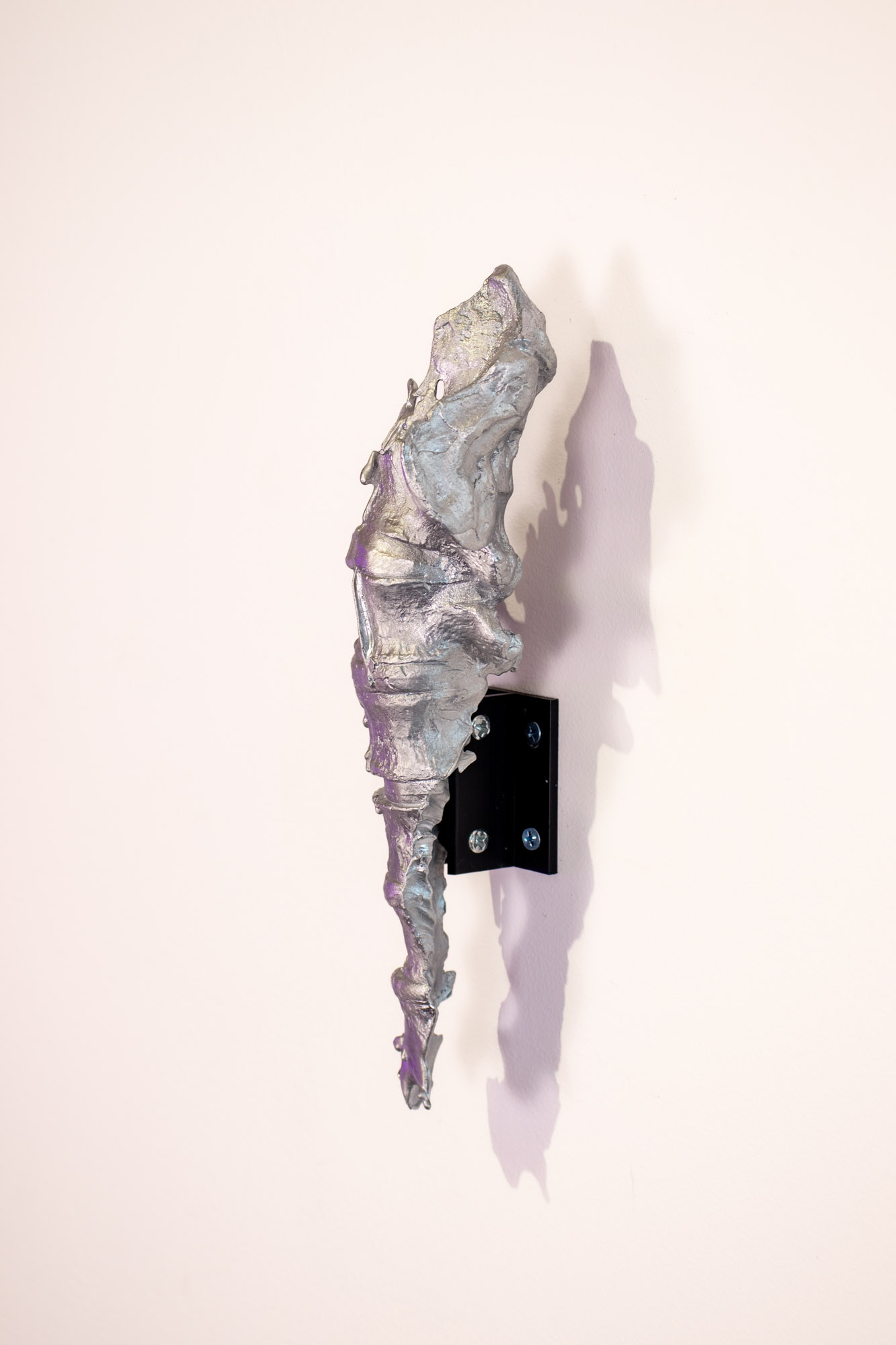
Cherry’s biomes renounce control by decentering the human. In this reoriented world, decay is tender, but life is aggressive. In fact, the two do not exist as opposites but in a loop, nested within each other. The loudest bit of life in Doctrine is the force-bloomed tulip. With all their flaming colors and excess vitality, they are an enduring motif in Cherry’s work. Rather than a token of delicacy or health, the flowers induce fear of uncontrollable growths like tumors or anxiety, something too alive. Cherry’s fascination with tulips goes back to a 1494 Hieronymus Bosch painting, Cutting the Stone. In the painting, the fool Lubbert Das implores a doctor to excise from his head the stone of madness. Bosch, playing on the Dutch word keye which could mean both a bulb of stone and flower, replaces the stone with a tulip. Having absorbed the mess and gore of the open-head surgery, the flower blooms and dies inside a limp body. Now, we get to see it bloom and die in the gallery over the course of the show. Decay, in contrast, is muted and diverted. The two Signature pieces, cast in aluminum from the remains of a spine-shaped wax candle, crawl on the wall like silver caterpillars. The cast itself harkens to the insect’s molting. Burdened bodies become gardens, holding the soil and milk that feed the tulips. Cherry shepherds the cycle of life and decay it as it passes from solid to gas, from liquid to metal, letting it live beyond any specific body.
Perpetually in metamorphosis, the objects in Doctrine slough, molt, and leak, laying plain the failure to stay in the same form, a condition Cherry refers to as abjection. Rina Arya sees the abject body as one that is in danger of having its boundary violated by a threat, one that can come from inside or outside. This trespass renders the body momentarily “leaky,” shedding all kinds of nails, fluids, skin cells—pieces that are “both ‘me’, and ‘not me’ which upset the stability of bodily boundaries and one’s sense of self.1 In so doing, the artist returns the sick body to the world, an alchemy that aims not to cure but to build empathy.
1. Rina Arya, “The Fragmented Body as an Index of Abjection,” in Rina Arya and Nicholas Chare ed., Abject Visions: Powers of Horror in Art and Visual Culture (Manchester: Manchester University Press, 2016), 108.